Choosing the First Harp: A Buyer’s Guide for Beginners
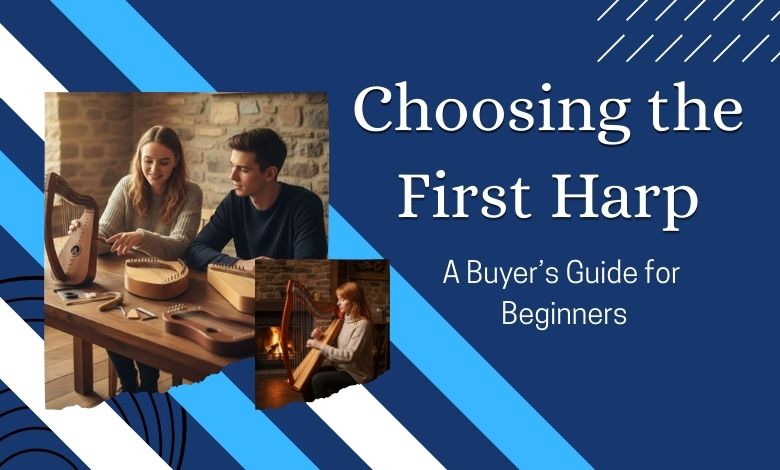
Buying a lyre harp may not be a daunting process, therefore, choosing the first harp can be. In this guide, we will talk to the beginners who want to buy lyre harps but do not have much knowledge about it. This article has many parts including types of lyre harps, key factors to choose, and the accessories you will need. Without delay, let’s begin with its types.
Types of Harps
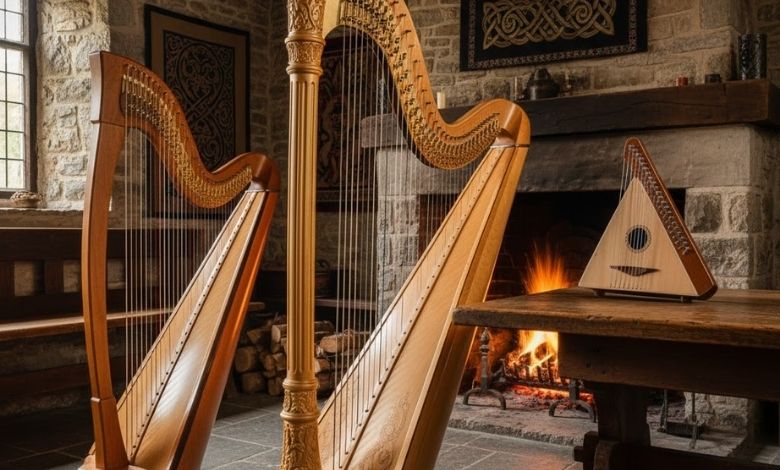
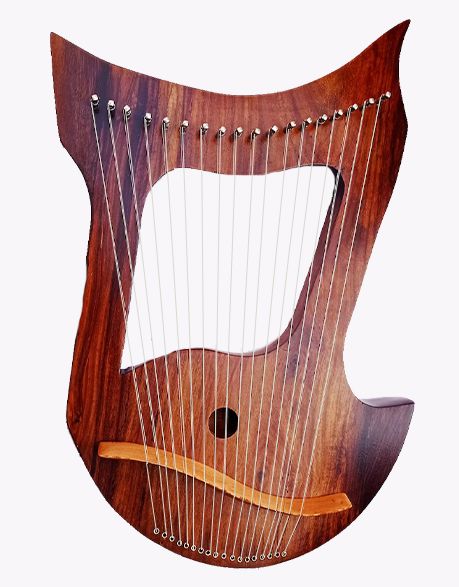
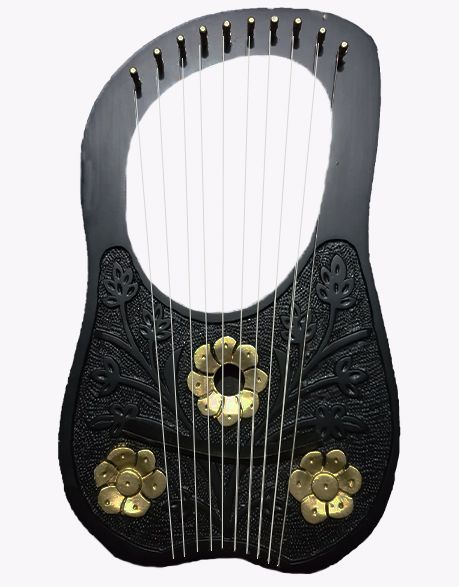
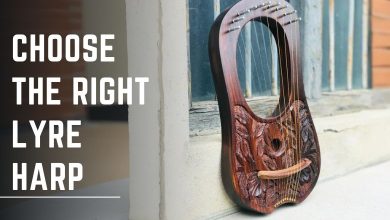
A lyre harp is a stringed musical instrument with a different number of strings ranging from 7 to 32. These strings are made up of nylon, gut, and steel. The role of harps in Highlander music is very essential and symbolic and they have been used there for centuries. Harps have many types worldwide but the most common ones used in Irish or Scottish music are discussed below.
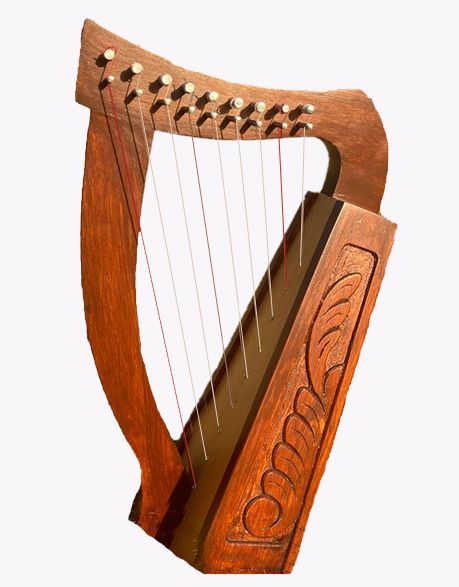
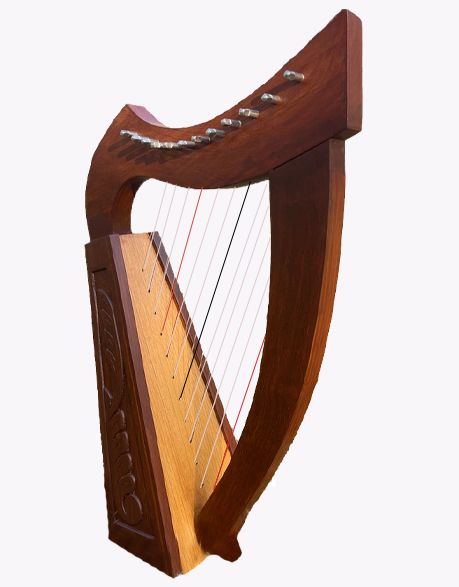
Lever Harps: A lever harp is a small instrument that has level on every string to pitch sound. Its use is very common in Celtic or folk music. Beginners may find it favoring them as this is small, portable, and less expensive.
Pedal Harps: This is a large harps which is known to produce complex tones and has 7 paddles to control the pitch. They are not portable, which is why they also get the name “freestanding harp.” Its use is common in concerts as it produces mind-soothing and loud music. Not suitable for beginners at all.
Lap Harps: Last but not least, a lap harp is the smallest type of instrument ever made. It has a triangular shape and is placed in the player’s lap to provide him ease while playing. Despite being small, it has a number of strings to produce the maximum number of sounds.
Key Considerations When Choosing the First Harp
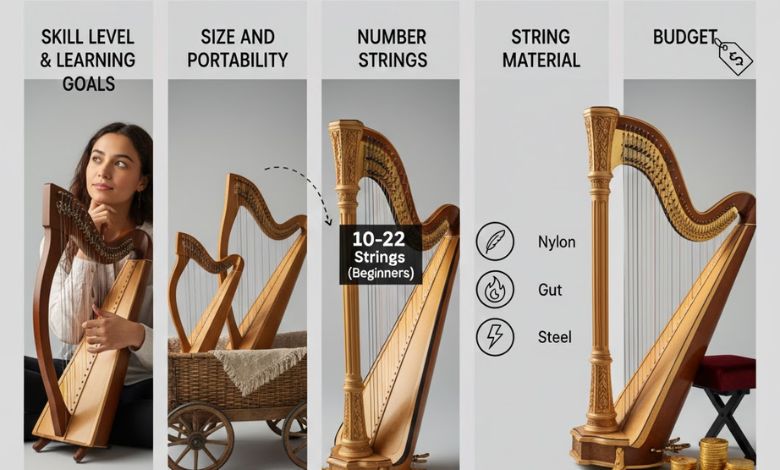
Now that you are familiar with some common harp types used in Highland, here comes the moment to decide which you should be as the first one. When deciding the one, make sure to read our below given tips to make a mindful decision.
Skill Level & Learning Goals
The first thing always is to know the skill level. You must know whether you have a bit of experience or not. Decide the learning goals, if you want to become a professional player or just want to be a common event-based player.
Size and Portability
Do not underestimate the size of a harp and see how easy it is to move when choosing the first one. Smaller harps such as lap and lever harps are ideal for new players because of being lightweight and portable. Not during the playing conditions only, the sizing factor offers you more flexibility and convenience when moving from one place to another.
Number of Strings
The more the number of strings, the more notes you can play and produce. The ideal number of strings for beginners is 10 to 22 as these figures are to handle and play. Keep in mind that every player has his own strengths and prefer selecting a string count that is appropriate for your comfort level and learning speed.
String Material
Strings are responsible for creating a pitch and producing sound. Choose the material mindfully as they are often made with gut, steel, and nylon. Nylon is the softest material and ideal for novices. Gut, on the other hand, has a deep, warm tone, yet it’s softer. Even though steel strings might be more difficult for new players to play with, they produce brighter and louder sounds.
Budget
Your choice will be significantly impacted by your budget. The brand, size, and material of entry-level harps might vary. It makes sense to spend a reasonable amount of money on a good beginner’s harp. If long-term commitment is uncertain, consider renting. Remember to factor in extra money for extras like cases, tuning keys, and extra strings.
Harp Accessories You Will Need
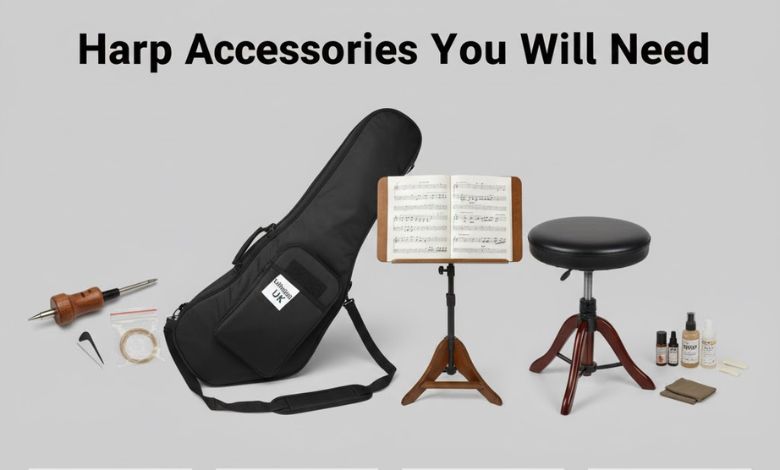
When choosing or buying your first harp, make sure to buy a complete package that often has all accessories. All of these accessories are meant to provide you an ease of learning and playing comfortably.
Tuning Key: A tuning key is the most essential accessory as it helps to adjust the pitch of each string and keep the harp in operative mode.
Case or Cover: The protection of a harp is important when you are not using it. So, make sure to prevent the instrument from dust, damage, and changes in weather by storing it in a case.
Harp Stool or Bench: Harp players, especially the beginners, need a proper height and posture support and a bench or stool fulfills this requirement for better comfort and technique.
Music Stand: The new harpists usually need sheet music at eye level. They use a music stand to hold the sheet and make it easier to read while playing.
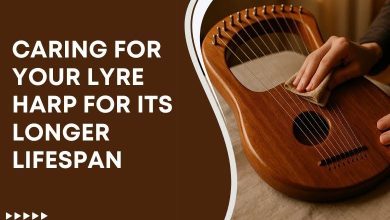
Cleaning Supplies: Proper cleaning and maintenance is the guarantor of harp’s longevity. So, it is essential to have all cleaning supplies to keep it functional.
Lyre Harps for Beginners