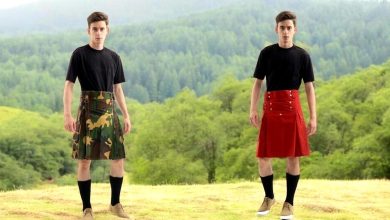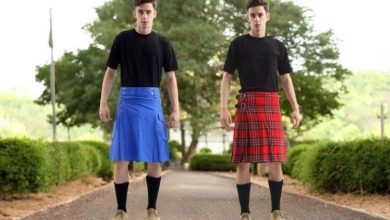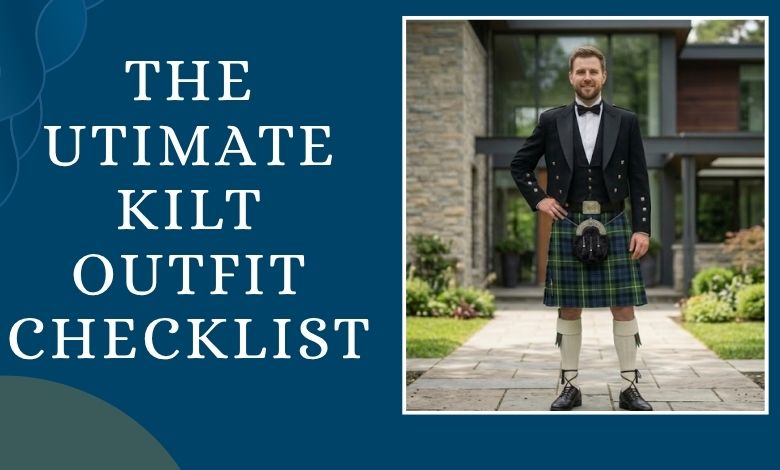
The process of creating a kilt outfit needs a little work. A complete Highland dress outfit is built from several essential pieces that must work together in balance. The outfit will lose its proper shape and visual appeal when accessories are either missing or not properly fitted.
The blog will help you with all required items that should be present and arranged correctly before someone goes to a formal or semi-formal event.
Start With the Kilt
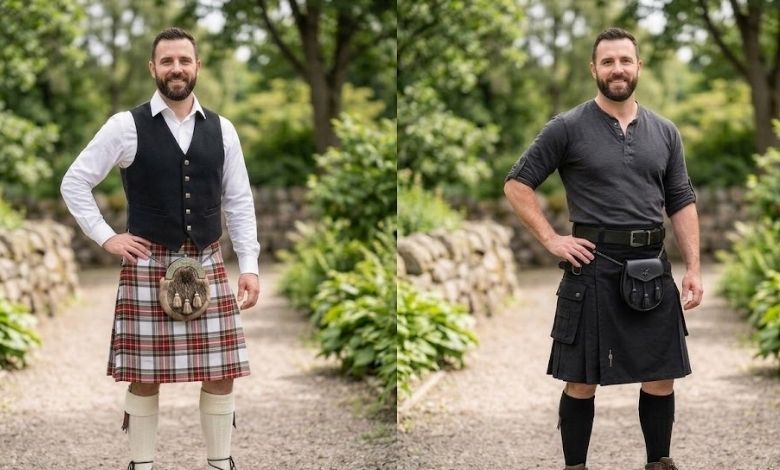
People should select fabric weight based on the specific event they are attending. Formal events require heavier wool tartans whereas light materials work for both warm weather and casual events. The overall appearance of the kilt improves when it receives proper arrangement.
A Quick Fit Check
A well-fitted kilt should provide secure hold which enables free movement. The front apron must lie flat, and the pleats should remain straight when walking or sitting. The kilt needs either a new size or improved fastening solution when it requires constant adjustment or shifts too much.
Don’t Forget the Sporran
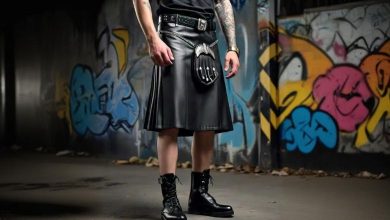
The sporran functions as both a practical item and a visual element because kilts lack built-in pockets. The device stores small items while it keeps the front of the clothing balanced. The style of sporran needs to match the existing formality level. The basic leather daytime sporran works for casual occasions whereas the decorative metal-sporran designed for formal events matches formal clothing.
Belt and Buckle
A leather kilt belt is wider than a standard belt and reinforces the waistline visually. The kilt must stay flat while its fastener should fit without creating excessive tension. The buckle should stay in the center front position while it matches the complete design of the outfit.
For certain highly formal occasions, particularly when wearing specific evening jackets, the belt should be used as a required element.
Jacket and Waistcoat
The jacket determines the formality of the outfit. A Prince Charlie jacket is suitable for both evening events and black-tie occasions. An Argyll jacket provides more flexible options which people can wear to daytime events and to formal occasions that require less than black-tie attire.
The jacket needs proper shoulder and chest measurement because the sleeves should reach wrist length. The waistcoat should button without strain while it needs to lay flat. The kilt outfit requires proper made-to-order tailoring to achieve its structured appearance.
Match the Jacket to the Occasion
The selection process for a jacket needs careful attention because it must match the event’s dress code requirements. An informal gathering needs a less formal jacket whereas a black-tie event requires formal attire.
Shirt and Neckwear
A clean, pressed shirt is essential for a polished appearance. A Men’s White Jacobite Ghillie Shirt is required for formal occasions. The dress code for less formal events permits different shirt styles which depend on the specific occasion.
Kilt Hose, Flashes and Finishing Accessories
Kilt Socks serve the purpose of Highland dress because they must reach the height of the knee. The top section of the garment needs to be folded down in order to achieve a tidy appearance. Tartan patterns receive effective matching from neutral tones which include cream and dark shades.
The design element of kilt flashes appears under the folded part of the hose to offer delicate decorative accents. The socks should match the tartan pattern instead of creating a visual conflict with it.
Here’s a simple pre-event check:
- Hose folded evenly on both legs
- Flashes visible but not exaggerated
- No sagging or twisting
Along with hose and flashes, smaller accessories complete the outfit. The use of Scottish hats which include Glengarry and Balmoral styles brings traditional elements to the outfit. The apron gets secured through the use of a kilt pin which holds it in place. The final appearance can be enhanced through the use of a tartan tie, fly plaid and Kilt brooches which create a balanced effect.
Footwear Matters More Than You Think
The traditional ghillie brogues serves as the official shoe for Highland formal attire. The shoes feature extended laces which create an ankle wrap that ends with a front knot. Polished brogues become suitable for semi-formal events.
Shoes require both cleanliness and proper upkeep to meet their required standards. The overall appearance of a person decreases when they wear shoes which show signs of damage and lack proper maintenance. The need for comfort during events which require people to stand for long periods or dance becomes equally important.
Common Mistakes to Avoid
First-time wearers of kilts should focus their attention on the complete outfit and avoid common mistakes of wearing a kilt outfit. The following items should not be worn:
- Wearing a kilt that sits too low or falls below the knee
- Choosing the wrong jacket for the event
- Mixing formal pieces with casual footwear
- Ignoring wrinkles in the kilt or jacket
- Wearing unpolished or unsuitable shoes
The outfit presentation requires attention to multiple aspects which achieve both balance and proper display.
Final Thoughts
People should check their complete appearance by standing in front of a mirror before they leave. The assessment process requires checking three specific elements which include the sporran position, the belt buckle alignment, and the pleats’ hanging pattern. The person needs to sit and stand for a short time period which will help him check if everything stays properly attached and balanced.
The complete kilt outfit needs both coordination skills and precise attention to all elements of its design. The process of selecting a trustworthy supplier becomes essential for achieving proper measurements. Utility Kilt UK offers an extensive collection of Highland wear through its online platform which includes made-to-order kilts and their corresponding accessories.
FAQs