Different types of Scottish Bagpipes and Their Traits
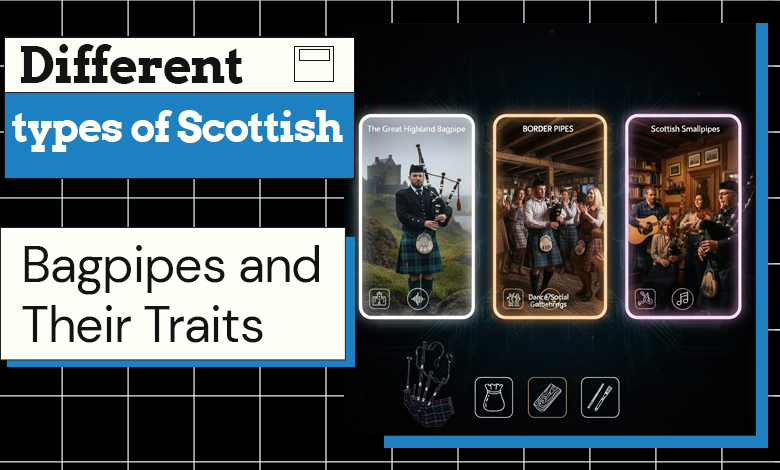
Bagpipes are a classical family of Highland music. Some people consider them to be part of Scottish culture only. Therefore, it is a confusion, as they are shared property of Scotland and Ireland. However, both countries have their very own bagpipes, and this article will highlight the ones that are identical to Scottish music. Not only will these instruments be discussed here, but there is much more. So, let’s begin with the importance of bagpipes in Scottish culture.
Importance of Bagpipes in Scottish Culture

Music has been played in Scotland for thousands of years, and some reports claim its beginning was 2,300 years ago. Bagpipes were introduced in Scottish music during the Medieval period. Since then, they have been essential in musical culture. Initially, the instrument was specific to the military and clan functions; later, the emotional melodies it produced, made people use it in other formal occasions such as weddings and funerals.
In today’s era, bagpipes are not only part of woodwind instruments but remind people of their past. Some of its types, especially The Great Highland Bagpipe, have become Scottish identity worldwide. Above all, it invokes the sense of patriotism and unity and connects individuals to their rich culture.
Types of Scottish Bagpipes
“Bagpipe” is a broader term, and the instrument has further types that are specific to Scottish music. Now, we are going to explore these variations and share a little detail about all of them, then their traits will be discussed.
The Great Highland Bagpipe
The Great Highland Bagpipe is the most significant type of bagpipes and popular globally. The popularity it owns today is because of its continuous use in British Art and bagpipes. People today use this particular one, as it produces loud sounds. It was the first bagpipe to be introduced in Scottish music. In the beginning, people made do with the available woods. Later it modernized, and premium woods such as African wood and rosewood were involved, which also impacted their lifespans along with quality.
Border Pipes
As the name represents, Border pipes are specific to the people living on the England-Scottish borders. Surprisingly, this variation is popular among both countries for producing warm tones. Unlike GHB, which is used in ceremonial occasions, it is common in dance music and social gatherings. The louder tone compared to its counterparts makes it suitable for outdoor events only.
Scottish Smallpipes
Scottish smallpipes are a recent addition to the bagpipe families that produce softer tones than others. This particular feature makes it ideal for indoor occasions and small groups. A unique trait of this pipe is to be used with other instruments to complement the traditional music. Regarding the playing techniques, they are not mouth-blowing but bellows-making, making musicians easy to play and fill the atmosphere with cultural melodies.
Traits of Different Scottish Bagpipes

All bagpipes discussed above are Scottish identities and are very common there. You may have become familiar with their connection with Scottish culture; now is the moment to explore their different traits, from sound qualities to their materials and construction.
Sound & Tone Qualities
Bagpipes produce louder sounds and this is the reason for their suitability outdoors. The Great Highland Bagpipe is a notable example which often has double reed. Therefore, some instruments are known to be too quiet, such as smallpipes.
Playing Method: Mouth-Blown vs. Bellows
The playing technique of bagpipes demands a higher stamina because the traditional one involves a mouth-blowing process. However, the below playing technique has become popular too. Musicians use their arms to pump the air in bagpipes and produce sounds.
Occasions & Common Uses
The use of bagpipes is common at cultural events such as weddings and military parades. You can also see buskers playing them in cities. Their distinctive sounds are a powerful symbol of national pride and are common to listen to in events and social gatherings.
Construction & Materials
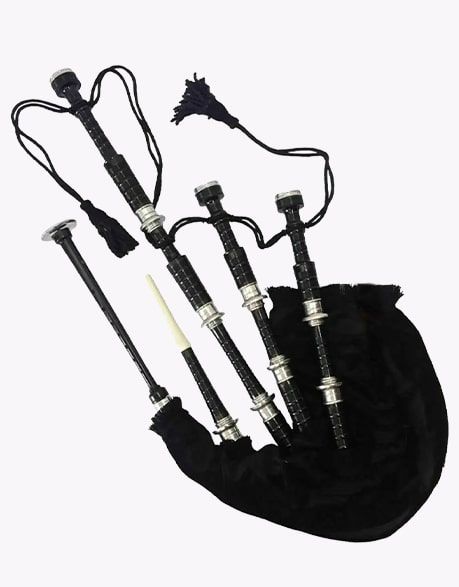
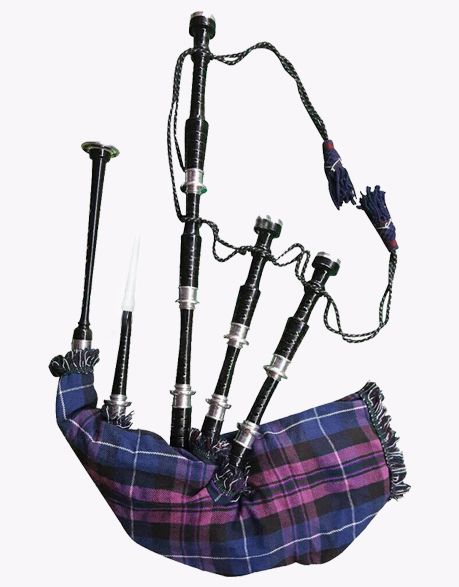
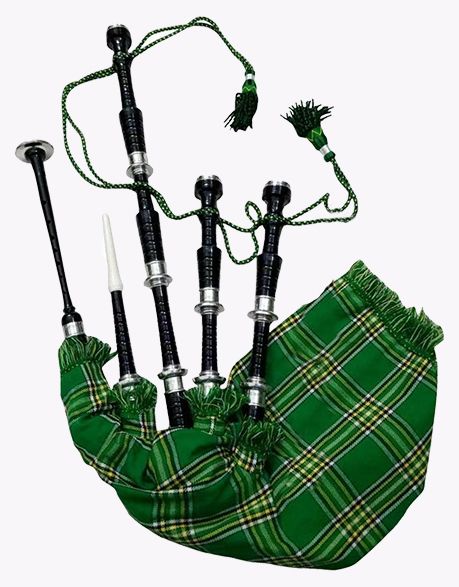
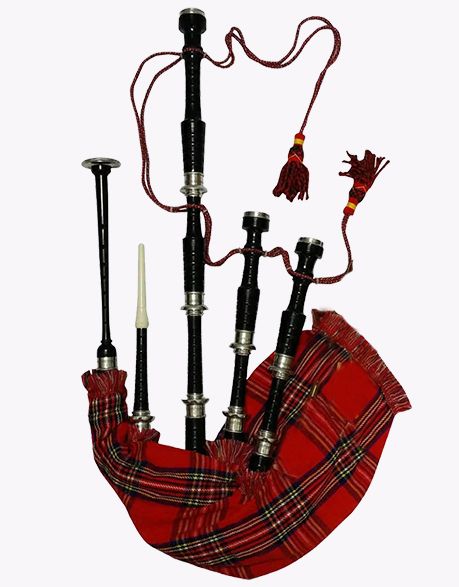
As you know, bagpipes have different parts, such as chanters, a body, a bag, and reeds. They all are made with different materials. The most prominent part is the bag, which is usually constructed with animal skin, synthetic fabric like Gore-Tex, or hybrid options. Pipes are the wooden part, and many types of wood, such as African wood, rosewood, and some synthetic materials, make them. The last component is the reed, and it usually involves Spanish cane in its construction.
Preservation and Global Influence
When it comes to the preservation of Bagpipes and their global influence, many factors contributed equally to maintaining their acceptability worldwide. Let’s move ahead to uncover these aspects.
Organizations promoting piping heritage: Bagpiping organizations have been very crucial in preserving them and numerous organizations contribute to it. The list of popular brands include The Royal Scottish Pipe Band Association, The National Piping Center, and The Bagpipe Society.
Teaching institutions and piping schools: Playing traditional music and preserving musical tools is the matter of Scottish culture. This is the reason many schools, such as the Scottish Schools Pipes and Drums Trust and the Royal Conservatoire of Scotland, prioritize it.
International competitions and bands: Many international bagpiping competitions take place annually where bagpipe bands contribute to show their skills. These events are powerful tools to conserve Scottish music culture. Some well-known examples of these events are The World Pipe Band Championships in Glasgow, the Scottish Pipe Band Championships in Dumbarton, and the European Championships in Perth.
How to Choose the Right Scottish Bagpipe
Choosing the right Scottish bagpipes is essential to experience it truly. The process is not difficult at all, but you must be familiar with some points before making a decision. Here are some common tips to buy:
- First of all, you must know the loudness of sound you need. Traditional Scottish instruments are louder and suitable for outdoors, while smallpipes are suitable indoors.
- As we have already discussed, there are two methods to play: mouth blowing and bellows (using the arm). You must know which process suits you.
- Knowing your skill level is also important. It will help you understand whether you need a smaller one or a full set of bagpipes.
- The next thing is the quality of the instrument you are choosing. Premium-quality bagpipes often last longer and produce good sounds.
- If you do not have experience in buying bagpipes, consulting an experienced person to help you may be the better idea.
Explore Authentic Bagpipes at Utility Kilt UK
Are you looking to buy an authentic bagpipe? The above-mentioned points have the potential to purchase the most suitable option. However, there is something else that you must include in the above bagpipe choosing list, and it is to consult a reliable brand. Many brands claim to serve as the trustworthy platforms to buy bagpipes and other musical instruments like flutes and lyre harps, but no one can compete with Utility Kilt UK. Some of our top-notch services include:
- Premium-quality products.
- Affordability at the peak.
- Trusted courier partners.
- Safe payment gateways.
- Hassle-free return and exchange policies.
Authentic Scottish Bagpipes