How to Properly Attach and Care for a Kilt Pin
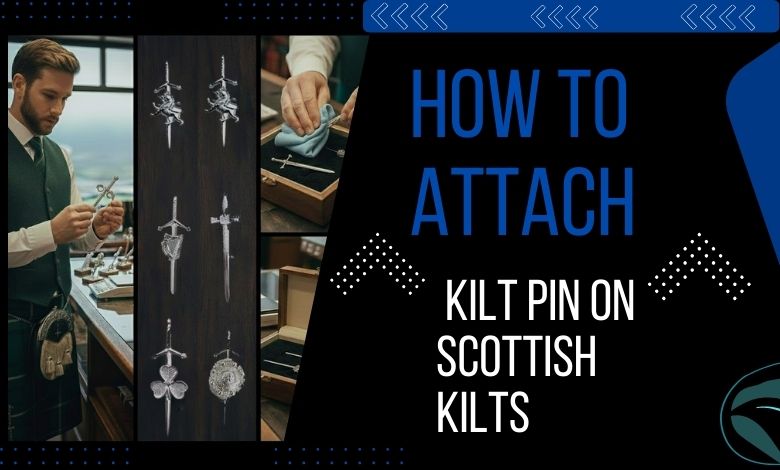
Kilt pins are a fairly new addition to the Scottish outfits and are multipurpose items. They help in maintaining a balanced look, only if they are worn correctly. In this guide, we will highlight some effective attaching tips for kilt pins and explain how to care for them. Other parts of our guide will be considerations for choosing the right one, the symbolism behind different designs, and mistakes to avoid.
Cultural Significance and Use of Kilt Pin

Kilt pins are important from multiple aspects and work as cultural, decorative, or functional items. They are often made with heavy materials such as pewter and silver and meant to apply weight to the outer apron to prevent it from blowing.
The crests of pins explain their cultural significance. They comprise Celtic and different Scottish symbols. People prefer these pins to showcase their connection with a specific culture of Scotland. However, modern designs are also popular today, but they are for casual events to mirror personal style.
Step-by-Step Guide to Attach A Pin
All accessories of kilt outfits are equally valuable and require proper wearing etiquette. The same is true for kilt pins. Attaching a pin properly keeps your inner Highlander truly on his toes.
- You can attach a pin to your kilt outfit even if you are wearing it or not.
- The first step is to find the actual position to place it, which is 2 inches from the button and 1.5 inches from the hem of the right side.
- Once the spot is spotted, push it vertically on the top layer of the apron. Attach it in a way that it might not damage the fabric.
- Secure the clasp now in a way that the pin does not pull the fabric. Otherwise, it will restrict your movement and damage the fabric as well.
- Now when you are done with attaching the kilt pin successfully, stand in front of a mirror and double-check the alignment for a true Scottish look.
Choosing the Right Kilt Pin
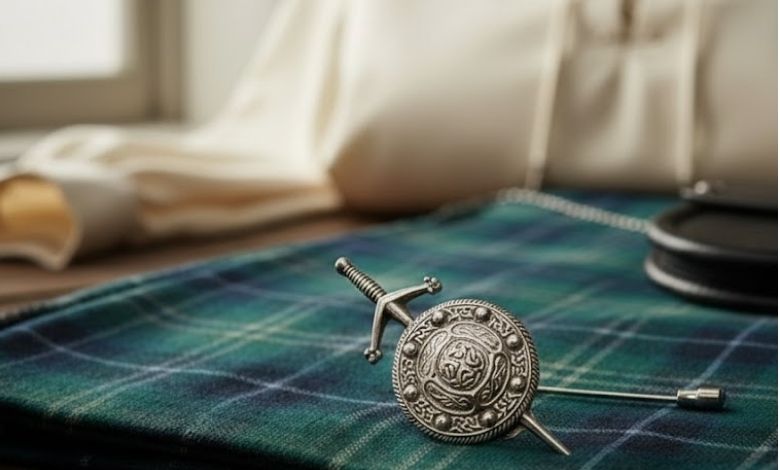
Attaching the pin is worthless if you use an inappropriate one. Many factors, such as your style, occasions, weight and size, and durability are important considerations while opting for the right one.
Occasion Matching
The most important aspect is opting for one that suits the event’s formality. If it is a cultural event, choose one with a traditional crest. Utility Kilt UK has many options for you, such as a Scottish Highland Celtic Kilt Pin and Deluxe Claymore Sword Thistle Head Kilt Pin. However, you have modern styles such as abstract and geometric designs.
Style Considerations
Your personal preference or styling taste also matters when choosing the design of kilt pins. If you are a culture enthusiast, consider choosing something traditional. At the same time, modern variants are suitable for those who prefer lively lives. So, which style suits you? Analyze and make a decision.
Size and Weight
You cannot overlook the weight and size of the pin while buying one. Size is important, and larger ones work well in formal or traditional events, as clear visibility is the basic requirement there. Therefore, preferring simple or small-sized pins is a considerable idea in modern settings.
The average weight of a pine is 30-40 grams and it should be heavy enough to stick properly and hold the apron effectively without damaging the fabric. In addition to affecting the fabric, a heavy pin causes discomfort while walking.
Symbolism in Common Kilt Pin Designs
The modern designs of kilt pins are representative of your personal preference, but the traditional crest usually symbolizes the heritage and cultural values of the wearer. Let’s describe with the examples of a few products that Utility Kilt UK offers.
We have a Scottish Thistle Kilt Pin with Chrome Finish that admires the bravery of Scots. Similarly, another product, the “Scottish Highland Celtic Kilt Pin,” symbolizes valor and authority. Some people wear clan-crested pins to honor their ancestors or lineage.
How to Care for Your Kilt Pin
If you attach a traditional item to represent your culture, ensure cleaning and properly caring for it to acquire expected visuals.
Cleaning Tips: Keeping the pen clean is not challenging. Consider cleaning with a dry and soft cloth. You can also use a soft-bristle brush to access its hidden parts. Use water with mild soap to keep it shiny.
Storage Tips: The primary materials to make pins have the potential to get rusted or tarnished because of moisture. So, store it properly where the moisture may not hit it, and the best approach is to store it in the cloth of a jewelry tray.
Avoiding Damage: If you don’t want your pin to damage easily, ensure choosing good quality regardless of the material. Moreover, keep it away from heavy items that can damage or cause scratches to it.
Common Mistakes to Avoid
- Some people pin through both kilt layers, which causes irreparable damage to the kilt.
- Wrongly positioned pins impact your overall look. So, place it in the original position, and many miss this point.
- The weight of the pin and the type of kilt should coordinate with each other. People often do not follow this point, resulting in discomfort.
- Those who overlook storing approaches usually buy pins every month. You must store them properly to maintain their shine and longevity.
Explore the Collection of Utility Kilt UK for the Next Kilt Pin
Are you concerned about the store where you can buy the next kilt pin? Don’t scroll different stores; open the website of Utility Kilt UK, and explore a handsome collection of traditional and modern pins. You must ask about the reasons to visit our store only. We always offer premium-quality kilt accessories when you need a kilt pin or a fly plaid brooch. Our quality blends with affordability for more convenience.