Scottish Woodwind Instruments: Bagpipes, Harps, and Flutes

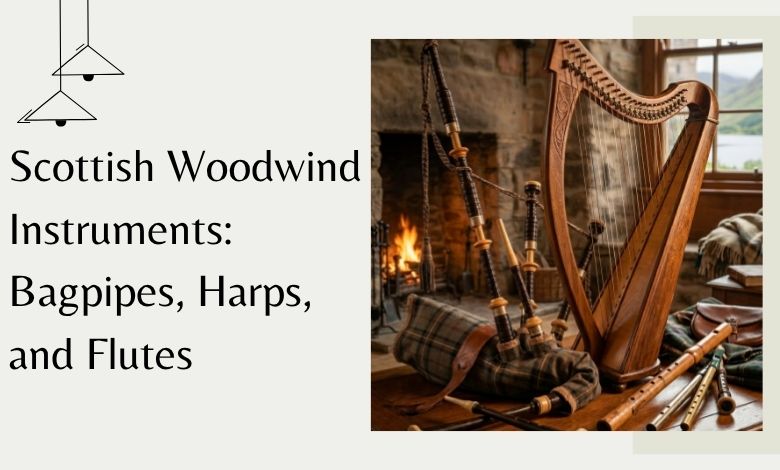
Scottish music is quite ancient and narrates much about the history, diverse landscapes, and the struggle of Scots that they make to preserve it. They have many musical instruments, such as Bagpipes, the national musical instrument, drums, flutes, and more. In this discussion, we will highlight only three instruments that are used commonly, including Bagpipes, Harps, and flutes. This Scottish woodwind instrument guide is going to explore their origin, components, construction, and role in contemporary music today. Let’s begin with understanding these instruments.
Table of Contents
ToggleUnderstanding Woodwind Instruments
Do you know what woodwind instruments are and why they get this name? They are musical tools that are played by blowing air and are traditionally made with wood. Their role in preserving Scottish traditional music has been very crucial in different eras. The exact date of Scottish music is uncertain, while an authentic record claims it to have originated 2300 years ago. The historians get this information because of a woodwind instrument, a “lyre-like artifact.”
Bagpipes: The Sound of Scotland
Bagpipe or Scottish bagpipe, is the national musical instrument of Scotland that is thought to have originated approximately 1000 years back in the Middle East and approached Europe through trading routes. The exact place of origin is still a mystery, but it evolved in many countries with different playing styles emerging over time. In short, its role in Highland music has been very crucial. Scotland stays prominent among all and has the Great Highland Bagpipes as the iconic symbol.
Components and Construction
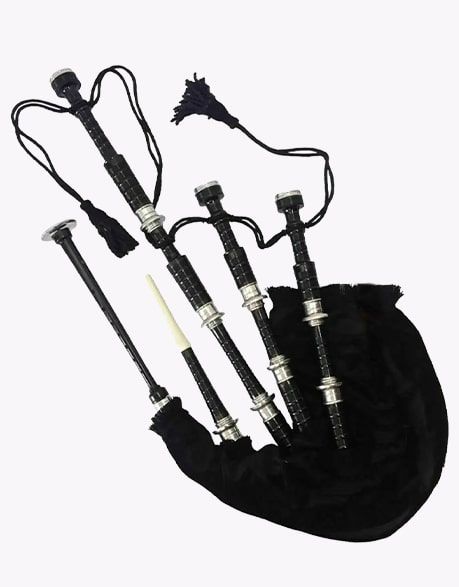
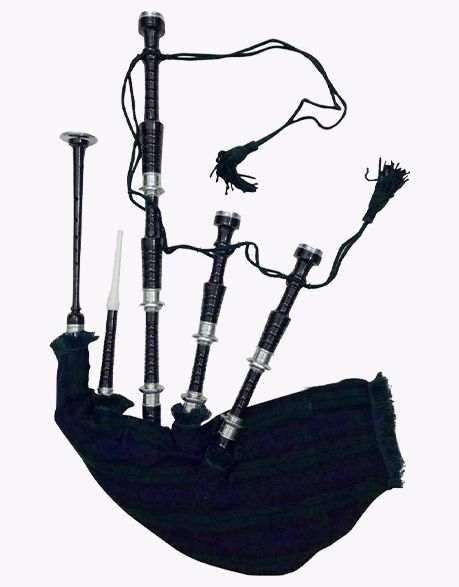
When it comes to the construction and components of Bagpipes, they are often made with multiple materials such as wood, fabric, or animal skin and oak or other hardwoods. However, modernism has changed everything, and the constant use of synthetic materials in their construction has become a common approach. No matter what materials are used, the design and the components remain the same. A standard bagpipe usually has the following parts:
Bag: The bag is traditionally made of animal skin or modern synthetic materials, and it aims to store compressed air from the player.
Blowpipe: An important part is a blowpipe that players use to blow air into the bag.
Chanter: A chanter is a melody pipe comprising finger holes that the player covers and uncovers for the production of several notes and to play the tune.
Drones: A standard bagpipe has 3 drones. They are the long pipes that produce a continuous, harmonizing note and provide a constant background sound to support the main melody.
Reeds: Reeds are thin pieces of cane that exist in both the chanter and the drones. Their primary role is to vibrate when air passes over them and create an instrument’s sound.
Musical Role and Usage
Regarding the role of bagpipes in contemporary music, they are the most valuable musical instruments, especially in the Celtic cultures. People who love to play and hear them should consider participating in military ceremonies, cultural festivals, parades, weddings, and funerals. Musicians play them as a sign of pride, honor, and legacy. In addition to Scottish folk music, they also perform excellently in pop culture.
Ideal Picks in Bagpipes
Harps: Scotland’s String and Woodwind Blend
The chapter on bagpipes comes to an end here, and we are going to discuss the next instrument, which is harps. It is a stringed musical apparatus that originated almost 3,000 years ago in Egypt. The evidence of the harp’s use in Scottish music dates back to 800 AD.
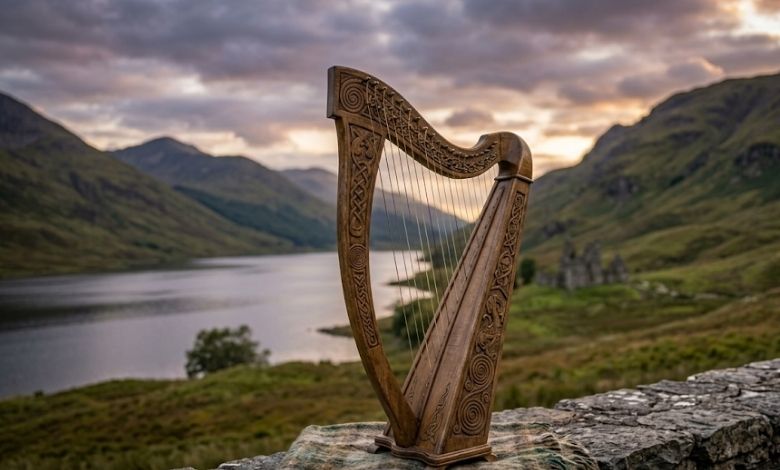
The styles evolved with time, and today they have different designs, while Celtic and lyre are prominent ones in Scotland. They are known to produce intricate melodies, and their different models come with a varied number of strings.
Materials and Parts of Harps
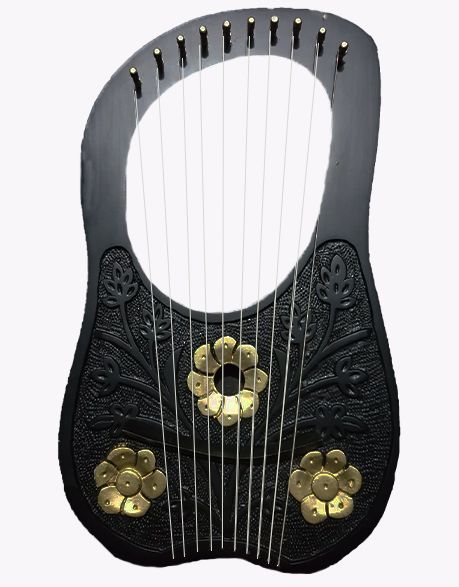
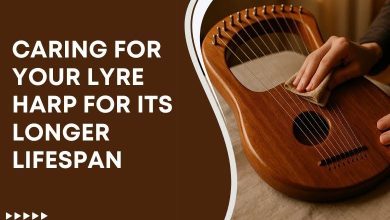
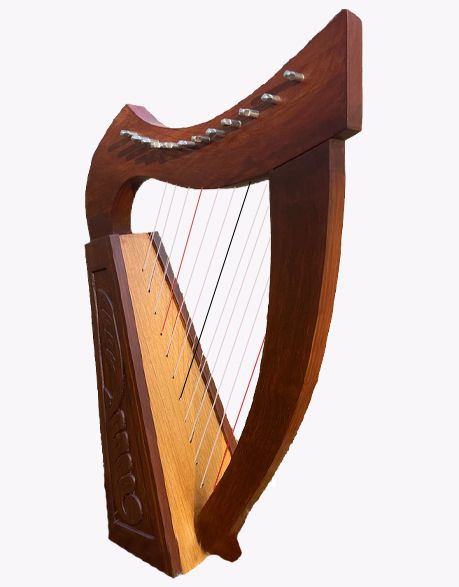
Let’s talk about the materials and the parts of the harp. The soundbox and wooden body are made with rosewood, which is very durable and can face different conditions. Strings are the most important part and are made with several metals, with brass as the prominent one. Therefore, the key components of lyre harps are given below.
Strings: Though every component of harps is essential, strings dominate all, as they produce sounds. Strings are often made with metals and nylon.
Arms: Harps have arms as important accessories, and they are where the players hold them. The designs of arms may vary, and they feature tuning pins.
Tuning Pins: We just mentioned tuning pins available on arms; they hold the strings on the upper part and are used to tune up the pins by rotating them clockwise.
Body: It is the largest part of the harp that is made with wood. The body contains all the strings and has a bridge, and it is where gaskets are located.
Bridge: Last but not least, the bridge is also a highly valuable component. It is what holds the strings above and transfers the vibration to the soundboard to enhance sound pitch.
Role in Scottish Music
The harp serves as the symbolic musical apparatus in Scotland because of its deep connection with Celtic culture. Clarsach is the smallest pipe, which is known to make soft, sweet melodies that fit well with folk songs and dances. Scottish festivals and concerts today are not complete without music, and music itself is only complete with harps.
An amazing feature of harps is that they can be played solo and also with other musical instruments like fiddles and pipes to complement music. In other words, harps add a real beauty and calm to the music and keep Scotland’s musical past alive.
Best Items in Lyre Harps
Flutes: The Airy Voices of Scotland

Here comes the moment to discuss the simplest melody tool, which is none other than the flute. Despite being simple, they are very difficult to excel at. It is relatively a new addition in Highland music, compared to other instruments discussed here. This conical-bore system started influencing Scottish music in the 19th century.
Components and Construction
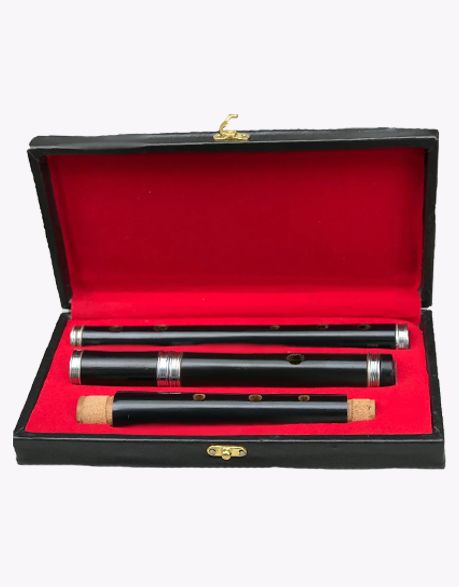
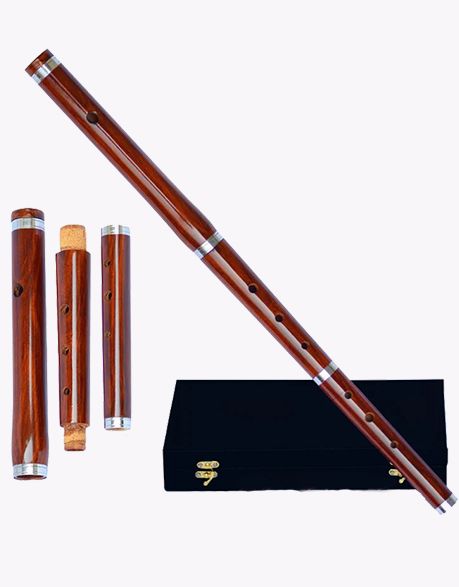
An Irish or Scottish flute is a simple system that looks like a tube and has 6 holes. The rest of the components are the foot joint and head joint. The head joint is the part where the player blows the air to produce sounds. He uses his finger movements to cover and uncover the holes and change the depth of sound. However, the foot joint features a few keys to operate openings in the tube to access the instrument’s lowest notes.
Role in Scottish Music
Flutes play a bright and vibrant part of Scottish music. They frequently collaborate with other instruments to produce upbeat, dance-like music. The crisp sound of flutes is popular to make traditional tunes and reels lighter and more lively. When it comes to performing gentler tunes with slow, poignant tones, flutes are the ideal tools. Both enjoyable and sentimental Scottish songs benefit greatly from their slick notes and quick runs of this particular instrument.
The Flutes You Should Try
Explore an Ideal Collection of Woodwind Instruments at Utility Kilt UK.
Are you looking to buy any of these Scottish woodwind instruments but cannot find a reliable store? Save your time and visit us at Utility Kilt UK at our online store, as we have everything that you need. Remember, all of our products, whether flutes or bagpipes, are made with premium-quality materials. Moreover, the prices we set on instruments are significantly lower than others. So, visit us right now and buy something that fulfills your musical needs.
FAQs About Woodwind Instruments and Their Answers
What is the difference between the Great Highland Bagpipe and other types of bagpipes?
The Great Highland Bagpipe is different from others, as it is played with a blowpipe and has three drones worn over the shoulder. Moreover, the high pressure, tremendous loudness, and unusual 9-note scale with a flattened seventh set it apart from its counterparts.
How loud are bagpipes compared to other instruments?
Bagpipes are one of the loudest musical instruments used in Scotland. When played as a solo, it can produce 85-90 decibels, while the multiple bagpipes collectively can produce up to 125 decibels, and this level is sufficient to cause instant ear damage.
How long does it take to learn basic harp playing for a beginner?
Learning to play basic harp depends on your picking skills. Some people with sharp learning skills can become experts in a couple of months, while years are insufficient for some.
How is the Scottish wooden flute different from the modern metal concert flute?
Although the modern metal concert flute has a complicated key system for easier chromatic playing and a brighter, more concentrated sound. The Scottish wooden flute has a softer, earthier tone and an open-holed, simple-system key arrangement.