Though the kilt pin looks like a modest accessory, it has been largely a part of traditional Highland Scottish attire. The kilt pin is a practical and stylish accessory that is often fastened to the front apron of a kilt. It adds bulk to help keep the kilt “full” whilst enhancing the effect of wearing the kilt.
The kilt pin has become an integral part of Highland attire over the years and is no longer just a utilitarian item, but also a decorative one. Nowadays it is available in a variety of styles from the original sword designs to elaborate Celtic motifs. Today we will take a look back at the kilt pin and its practical use – we will discuss its history, its importance in the Highland dress, and how to select the right kilt pin!
What Is a Kilt Pin?
Purpose of a kilt pin
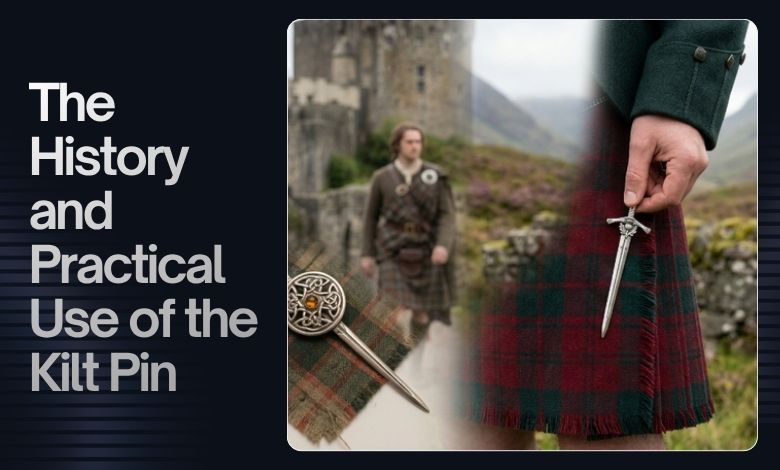
A kilt pin is a decorative pin or piece of jewellery worn on the front apron of a kilt. It is primarily intended to give weight to the outer apron, to keep the fabric in place when walking and in windy weather.
The kilt pin can make a useful news accessory to the kilt garment itself but it is also worn to complement and enhance an overall kilt aesthetic.
Where a kilt pin is worn
The kilt pin is usually attached to the lower corner of the outer front apron of the kilt. Traditionally it is positioned a couple of inches to the right and slightly above the hem.
It should be remembered, however, that a kilt pin should never be inserted through two layers of fabric and should only be used on the outside apron and not the inside.
The History of the Kilt Pin
Early origins of the kilt pin
The history of where the kilt pin originates from is not obvious but, in many ways, it became popular during the Victorian era when Highland clothes were popular again.
There is one notable tale – that Queen Victoria sent the soldiers back to the Highlands with a decorative pin to help weigh down their kilts in windy conditions! Widely discussed, but it did help to reinforce the relationship between the kilt pin and Scottish dress traditions.
Traditional role in Highland dress
Traditionally, the clothing of Highland people was more utilitarian than decorative. Kilt pins became more significant as the informal lapel ones were replaced by kilt pins that were more formal and elegant.
The kilt pin proved very handy at keeping the front apron in place and served as a decorative final detail to elaborate formal Highland attire.
Evolution into a decorative accessory
The use of kilt pins evolved over time to be more symbolic and decorative. Incorporating traditional Scottish elements like clan designs, Celtic motifs or swords into jewelry became common.
Modern-day kilt wearers frequently wear kilt pins for fashion, nationality, heritage or personality.
The Practical Use of a Kilt Pin
Adding weight to the kilt apron
The main function of a kilt pin is for weight. This decreases unnecessary oscillations due to wind or walking.
The pin will not completely fasten the kilt, it will just give additional stability and comfort.
Helping improve movement and comfort
The front apron may lift too easily when in motion, which can be counteracted through a kilt pin.
This allows you to walk and stand more comfortably as well as be present at outdoor events without being messy and disheveled.
Balancing style and function
The kilt pin is just one of examples that Highland dress is simple and yet fashionable. It also promotes the function and embellishes the outfit by providing a decorative element.
The right choice of kilt pin can complement casual and formal Highland dress.
Popular Types of Kilt Pins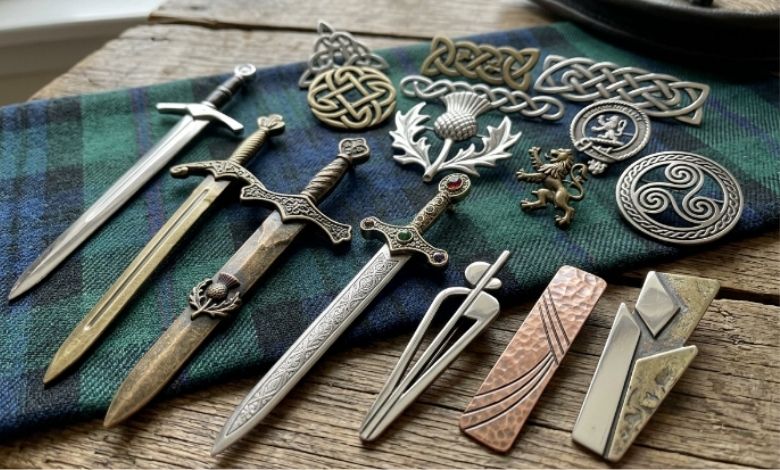
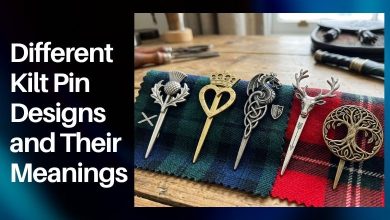
Sword-shaped kilt pins
Another classic style of sword-shaped kilt pin which is known to be one of the most readily recognizable. These pins are inspired by Highland history and all things Scottish weaponry, which makes these pins a classic Highland addition to kilt wear.
Celtic and clan-inspired designs
Many of the kilt pins have Celtic knotted designs such as Scottish highland celtic kilt pin, clan symbols or other national symbols, such as the thistle. Some of these designs are more cultural and family oriented.
Modern decorative styles
Contemporary shapes, engraved designs, and weathered metal finishes such as Deluxe Claymore Sword Thistle Head Kilt Pin are among the many inventive styles of kilts that utilize modern kilt pins.
These options enable wearers to make a kilt outfit more individual and yet remain within the traditions of the kilt.
How to Wear a Kilt Pin Correctly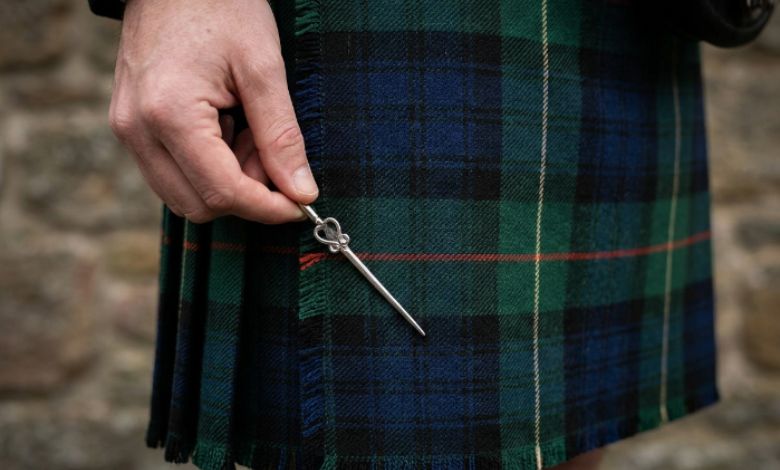
Proper placement on a kilt
The correct method of putting a kilt on.
Any kilt pin must be mounted on the “outside” of the outer apron and approximately at the bottom of the front of the kilt.
Proper placement helps ensure comfort and appearance.
Common mistakes to avoid
The most frequent error for those that wear the kilt is to pin through both aprons. This can cause limitation of visibility and damage to fabrics.
If the pin is far too large or heavy it can also be uncomfortable to wear.
Choosing the Right Kilt Pin
Matching with kilt style and accessories
You must match outfits with kilt style and wear accessories that are a suitable match for the outfit.
The ideal kilt pin should be an element which harmonizes with the ensemble as a whole. Coordinating belt buckles, sporrans and jacket buttons with the metals can make them look balanced.
Choosing materials and finishes
Kilt pins come in pewter, stainless steel, silver tone and antique materials.
By selecting high-quality materials, high-quality products can be produced that offer durability and long-lasting style.
Why Buy Kilt Pins from Utility Kilt UK
Utility Kilt UK have a range of quality kilt pins that will be suitable for traditional kilt wearers and contemporary Highland attire. Whether they are looking for classic sword designs or those with Celtic influences, customers can choose from a range of options that suit their style and occasion.
Their collection is strong, skillfully constructed and reflects the original Highland design to enhance any kilt wear.
Conclusion
Although it’s a small accessory it is a very significant one in Highland dress. From its historical roots to its practical use in keeping the kilt apron balanced, the kilt pin combines tradition with functionality.
The choice between a plain or ornamental design is all up to you; the perfect kilt pin can add an extra stylish and functional element to your kilt attire.
FAQs