The kilt is the most obvious and iconic part of Highland clothing and is always written about in connection with the traditional garb. Other elements of an outfit are also widely known like the sporran, kilt hose, flashes and belt, but one thing not known is the kilt pin. However, the kilt pin has been carrying on as an integral aspect of Scottish clothing for centuries. Not only does it play a functional role, it comes with character and style to a kilt outfit.
When they first learn to wear the kilt, many are surprised that a kilt pin is not a piece of decoration or that it attaches the whole kit to the body. But it isn’t actually all that specific. To wear your Highland outfit properly and with confidence you need to know what a kilt pin looks like, how to put it on, and which kilt pin you can choose from.
If you are about to wear your first kilt, or are planning a wedding, you will know what you need to do to make sure you’re wearing your kilt in the right way.
What Is a Kilt Pin?
A Small Accessory with a Big Role
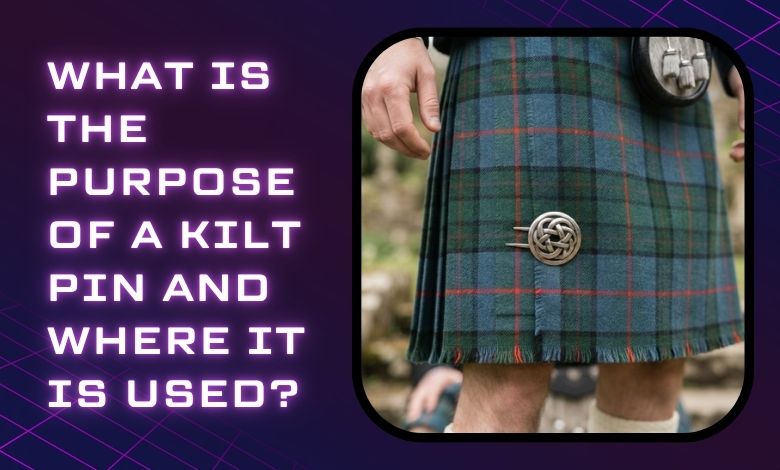
A kilt pin is a bit of metal that is added to the bottom corner of the front, outside piece of a traditional kilt. It might be regarded as a minor accessory, but when it comes to Highland dress it is an important component to its ability to work and look good.
A kilt pin is not like a regular fashion pin or brooch and is specific for the kilt. It generally has more weight than an ordinary pin, and can be fitted externally on the apron and attached to the outer fabric without causing damage to the original fabric. This keeps the kilt hanging as it should do and minimises any extra movement when this is due to walking and/or windy weather.
In today’s age, there are a huge range of styles available from polished to elaborate Celtic designs and clan and family-inspired kilt pins.
The History Behind the Traditional Kilt Pin
As to its origins, opinions vary, however it was popular in the Victorian era when Highland dress underwent an enormous revival. Kilts started to be more popular for formal occasions and military uniforms and the wearers started to pin more onto the kilt for its appearance and functionality.
As time goes by the kilt pin was grown to serve more than its practical purpose. Scottish craftsmen began to make highly embellished designs reflecting Scotland’s history and culture. These were often chosen for their symbolic meaning, as the sword shape was soon considered to be Scottish and thus relate to Scotland’s military history, and the Celtic knotwork was used to symbolise eternity and unity. Common designs included the Scottish thistle and clan crests and St. Andrew’s cross, along with traditional Highland depictions.
The kilt pin is still used today to serve as a link between the past and present of Highland attire, carrying on the tradition of Scotland’s historical heritage. It may be used for its emblemism or simply because it looks good, it is an accessory which is proudly worn to show that you have Scottish heritage.
What Is the Purpose of a Kilt Pin?
Adding Weight to the Front Apron of the Kilt
One of the more prevalent misunderstandings about what a kilt pin is used for is that it’s supposed to zip up the whole kilt. Actually, it doesn’t have such a duty. The leather tails and buckles of a kilt hold the kilt in place around the waist, if it is fitted correctly. Kilt pin is not used to secure the front apron with the inner apron.
Rather, the sole function of a kilt pin is to give the outer apron a bit of weight. The lower front apron is free-moving allowing free movement for walking and in windy conditions. A kilt pin will help to drop the material down a bit more naturally and stop it from being overly wriggly without compromising on comfort.
This lightweight weight adjustment contributes to how the kilt hangs, particularly for formal events when it’s essential to look neat. It also adds to the beautiful lines of the garment without influencing the normal texture.
Protection, Style, and Symbolism in Highland Dress
The lovely bit doesn’t just serve as a disruptor, it also safeguards the bottom of outers’s outer apron from wearing too much. This area of the kilt gets a lot of use when worn when on foot or sitting down, which is why added reinforcement from the pin makes the kilt last longer.
The other important thing to look at with regard to a kilt pin is the visual effect that it creates. It is a piece of decoration used as a focal point for ornamentation at the front of the kilt, providing it with balance. The design harmonizes with other Highland accessories like the belt buckles, sporran, sgian dubh, and jacket buttons, fostering a thoughtful and refined overall look.
Numerous kilt pins also will hold some sort of meaning. The Celtic knot is known as eternity or a connection with interconnectedness, while the sword symbolises Courage and a commitment to Scotland, her warrior character. Clan crest pins can be used to commemorate one’s family tree and Scottish pride is expressed through thistle designs.
Where Is a Kilt Pin Worn?
The Correct Position on a Traditional Kilt
To ensure an authentic and correct appearance and operation, it is important that a kilt pin is placed properly. The pin must always be fastened to the right (outside) front of the kilt. It is generally sown in the corner at the bottom outside edge, about two to four inches from the hem and about 24 inches from the outside edge.
It gives sufficient weight to the fabric without compromising the natural kilt movement. In addition, it also offers a sense of balance when the garment is arranged towards the bottom, helping the design to merge better with the viewer.
Common Placement Mistakes to Avoid
It can be the main fault people do, they pin two aprons of the kilt together. This sounds like a sensible idea but whilst it might help the movement, it does not allow the kilt to hang properly. The pin is only to run through the outer apron; do not run through both layers of fabric.
Occasionally, people put the pin in at the top and/or near the edge of the kilt. The wrong positioning will make it look awkward as well as strain the fabric. Similarly, a large and heavy pin might bend the apron and alter its balance of the garment.
Choosing the Right Kilt Pin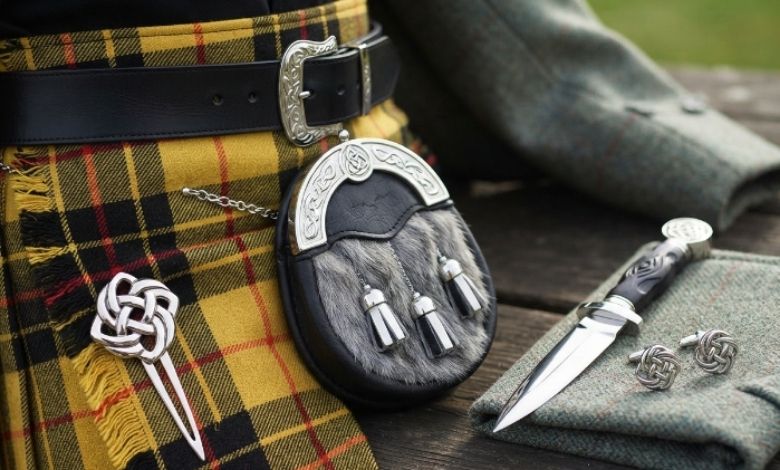
Matching It with Your Kilt and Other Accessories
A kilt pin would never be an afterthought. It’s a relatively tiny add-on, but it is a part of the balance in your Highland outfit. A design that suits your kilt and other gear will not distract from the kilt when worn.
The simplest method of doing this is to match the metal (colour) finish of your kilt pin with your belt buckle, sporran hardware, cufflinks and sgian dubh. Polished Kilt Pins will lend a consistent appearance to an outfit that contains polished silver tone items such as Shamrock Scottish Kilt Pin. Similarly, antique pewter or matte pewter are ideal with standard Highland traditional clothing and tweed jackets.
Another important thing to take into account is the type of kilt that you have. Generally, the classic swords, Celtic knots and thistles patterns are usually the best tartan choices to wear for the formal tartan kilt with a Prince Charlie or Argyll jacket and have a Scottish Highland Celtic Kilt Pin. A modern utility kilt, however, allows for greater choice of simple or contemporary looks without losing the essence of a traditional kilt.
Its aim is to not make the kilt pin the show stopper, but rather to make the kilt the perfect complement to all other aspects of the Highland outfit.
Popular Designs, Materials, and Celtic Motifs
There are a wide range of different kilt pin designs that will allow every person to choose a pin they are suited to and for the right time. The traditional Sword Kilt Pin is the most popular pin due to its association with Scotland’s military history and its versatility with close to all of the Scotland tartans. The shape is also very elegant making it harmonious with the vertical lines of the kilt.
Some of the most classic designs are the celtic knots. They have elaborate loops which represent eternity, fidelity and unity, making them particularly popular for weddings and formal occasions. Another popular choice of thistle kilt pins are those bearing the Scottish national flower, which are also popular for being a symbol of resilience and Scottish pride.
People who want to pay tribute to their origins wear clan crest kilt pins that feature an official badge of a Scottish clan. Contemporary wearers can also go for personalized designs with letters, family symbols, animals, or artwork of the day as long as they wear casual or utility kilts.
Design itself is only as good as the materials. There are a variety of materials kilt pins can be crafted from, such as stainless steel, pewter, chrome, or solid metal castings. These materials not only give durability, but they retain their look even after years of regular use. A fine quality kilt pin should not only be long-lasting but also provide a polished appearance.
Do You Need a Kilt Pin for Every Kilt?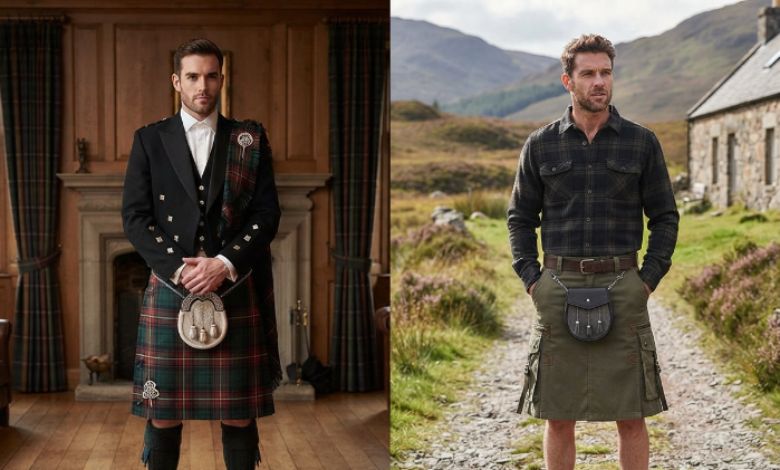
Formal Highland Dress vs. Casual and Utility Kilts
In some sense, whether or not one needs a kilt pin depends upon a combination of kilt type and event. Traditional taranes kilts worn with formal Highland dress are acceptable to wear without the kilt pin. Kilt pins are a regular part of the accessories for weddings, black-tie dinners, Burns Night events, military services and clan meetings.
It gives the “Scottishness” of dress the classic look that would be associated with this type of attire and assists with the neat hang of the outer apron done during the event.
The modern man can wear utility kilts a bit differently. Many people do not put a kilt pin on them as they are so practical and may have a heavier material, reinforced stitching and cargo pockets. These more modern utilities aren’t quite as conventional, so it may be more up to each person as to whether they choose to wear it or not.
When a Kilt Pin Is Optional
A kilt pin can complement most traditional outfits but isn’t essential. For casual occasions, festivals or outdoors activities, if you are wearing a lightweight casual kilt you may choose not to wear it at all as it doesn’t diminish comfort or functionality.
Likewise, many contemporary fashion kilts are tailored in such a manner that a fancy pin accent perhaps does not correspond with the overall look.
In the end, the choice is yours, the type of kilt you’re wearing, and the level of formality of the event. However, if you’re looking to add an authentic Highland finishing touch to your outfit, then one of the easiest ways to do so is to wear a quality kilt pin.
Tips for Buying a Quality Kilt Pin
Craftsmanship, Durability, and Secure Fastenings
Choosing quality is essential as a kilt pin is a piece of accessories that will be a useful addition for a long time. Search around for pins that bend easily, become tarnished or corroded. Secure fastenings are also crucial, keeping the pin in place during the day and preventing damage to the fabric.
Note the detailing also. The edges should be smooth, there should be no rough edges or staples and the construction should be accurate—the kilt pin should look great after repeated use.
While it is possible to find cheaper versions, a high-quality pin may be more cost-effective over the longer-term as it will stay in place and look great.
Choosing a Design That Reflects Your Personal Style
A kilt pin which allows for a little individual expression, so it is best to pick something in style rather than going with popular choices which you may not feel comfortable with. When it comes to traditional designs, a sword or thistle or a Celtic knot will never go out of style and is always a safe option for those who value the old ways.
If you prefer a more modern wardrobe, then a modern geometric design or custom engraving might be what you’re looking for in your Highland piece. Regardless of your option, keep in mind that less is frequently more attractive! The successful use of the kilt pin enables one to wear the kilt with dignity, avoiding the image of it being an eyesore.
Why Buy a Kilt Pin from Utility Kilt UK?
There are definite benefits to shopping for Highland accessories from a shop that specializes in it. Utility Kilt UK offers a great range of kilt pins that are specifically chosen to adopt traditional craftsmanship combined with modern high standards and quality. There are options for every occasion—from classic to Celtic-knotted designs to contemporary dependable styles—which work best with any and all personal tastes.
Every kilt pin is made out of quality materials, specifically for sturdiness and long holding performance yet consistently wears the traditional look and feel which is required of Highland attire. Accessories such as kilt pins are available, as are belts, buckles, sporrans, jackets and more, which can all be used to create a coordinated look thanks to the assistance of Utility Kilt UK.
Conclusion
The tiniest part of the Highland outfit, a kilt pin serves a much grander purpose than one may imagine. It secures the outer apron naturally, prevents fabric from unnecessary wear, and is a unique aspect which embodies Scottish history and individuality.
Whether it’s a traditional design, such as a sword, a Celtic knot, or the latest in custom designs, there is always a kilt pin that fits the bill. With the correct style and appropriate design, the kilt will not only look great as part of your Highland attire, but also represent a tradition that has been followed through Scottish dressing for many generations.