Measuring Guide for Women’s Kilts: Ensuring Perfect Fit
Kilts are a traditional staple of the women’s wardrobe and now they are available with modern styles. To maintain the charm of cultural attire, wearing the perfect fit is essential for ladies. This article is a measuring guide for women’s kilts, as it offers some useful tips for knowing the exact size. Other than kilt size calculating tips, we will also mention some common mistakes to avoid for an ideal fit.
Key Measurements for Women’s Kilts

Now that you know that women’s kilts are different in size from men’s, you must prepare accordingly. Getting women’s kilt sizing is not challenging at all. Being new to the kilts, having a confusion is normal; but our guide will make things easier for you. Read the tips carefully, and then you are ready to go.
Prepare for Measurement
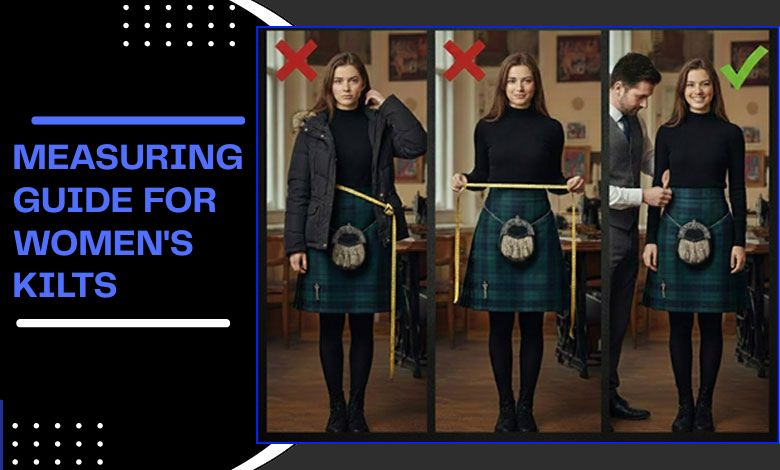
When preparing for a kilt’s quantification, you must know what to wear and how to pose. Wear fitted clothing for the accurate reading of every angle. Stand on a flat surface with no bumps and leave your body loose without holding the breath. Getting measurements on your own might not be convenient, so it is wise to get help from another person.
Waist Measurement
The first thing is measuring the waist of your kilt. Men and women usually wear the kilts at the same waistline, a couple of inches above the navel. So, take the measurement tape and wrap it around the body. The tape should be neither too tight nor too loose for the accurate fit.
Hip Measurement
While measuring the hips, a woman should stand with feet together and free her body. Wrap the tape around the widest part of the buttocks. Moreover, keeping the same width from the top to the bottom ensures that the kilt doesn’t appear wrinkled when worn.
Length Measurement
When it comes to the length measurement of women’s kilts, they are different from men, as ladies wear three sizes: mini, midi, and long skirts. Men, on the other hand, have only size. The standard lengths for women, respectively, are 14-18, 26-30, and 36-24 inches. Do not rely on these figures as all ladies do not have the same height. When you are done with taking the length sizing once, ensure double-checking every calculator from waist to the length.
Additional Considerations
There are additional factors to consider when taking precise measurements, and they are just as important as accurate calculations.
Body shape variations: Every lady has a different body shape that varies from petite to tall and thin to slim. Understand this aspect as an essentiality and then wrap the tape around the body.
Adjusting measurements for layering: Ladies often wear other layers above and under the kilts, such as blazers and leggings. When measuring for a kilt, leave room for them as well.
Fabric type can influence fit and comfort: Last but not least, value the fabric type because it hugely influences the fit and comfort of a kilt. Women tartan kilts may be the most comfortable, while those made with leather can be stiffer.
Men vs. Women Kilt Sizing

Most of our readers may already be familiar with it that men and women wear different sizes of kilts. Men wear longer kilts, while women’s kilts are shorter, comparatively. So, knowing the sizing difference between kilts for men vs. women is crucial to wearing an authentic kilt at any event. Remember, the sizing of Scottish apparel for both genders differs in every aspect from the waist to the length.
Common Mistakes to Avoid
People often make common mistakes getting the size of a kilt, whether the wearer is a lady or a gent. Knowing and overcoming these errors is necessary because it allows you to get the right size and weight of a kilt. Wearing apparel that is too long or short affects comfort and style. Similarly, it also shows a lack of respect for traditional Scottish dress.
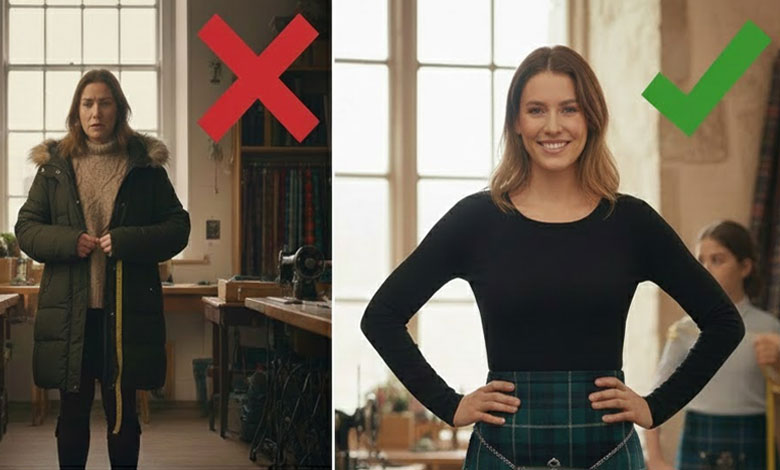
Measuring over bulky clothing: It is recommended to wear slim-fit clothing while measuring the size, but people often wear bulkier ones. It unintentionally results in getting loose kilts.
Ignoring length preferences or body shape: Some women prioritize either length or body shape over the other, rather than considering both equally. This approach prevents accurate assessment of either aspect.
Using an inaccurate measuring tool: Experts often use flexible tape to measure kilts. However, some people utilize clothing tape, which is not a suitable practice at all.
Custom vs. Ready-Made Kilts: Some women prefer ready-made kilts over the customized ones. As a result, they get inaccurate sizes sometimes. It costs them more to modify them according to the body shape or size and consumes time as well.
Buy 100% Customized Women’s Kilts at Utility Kilt UK.
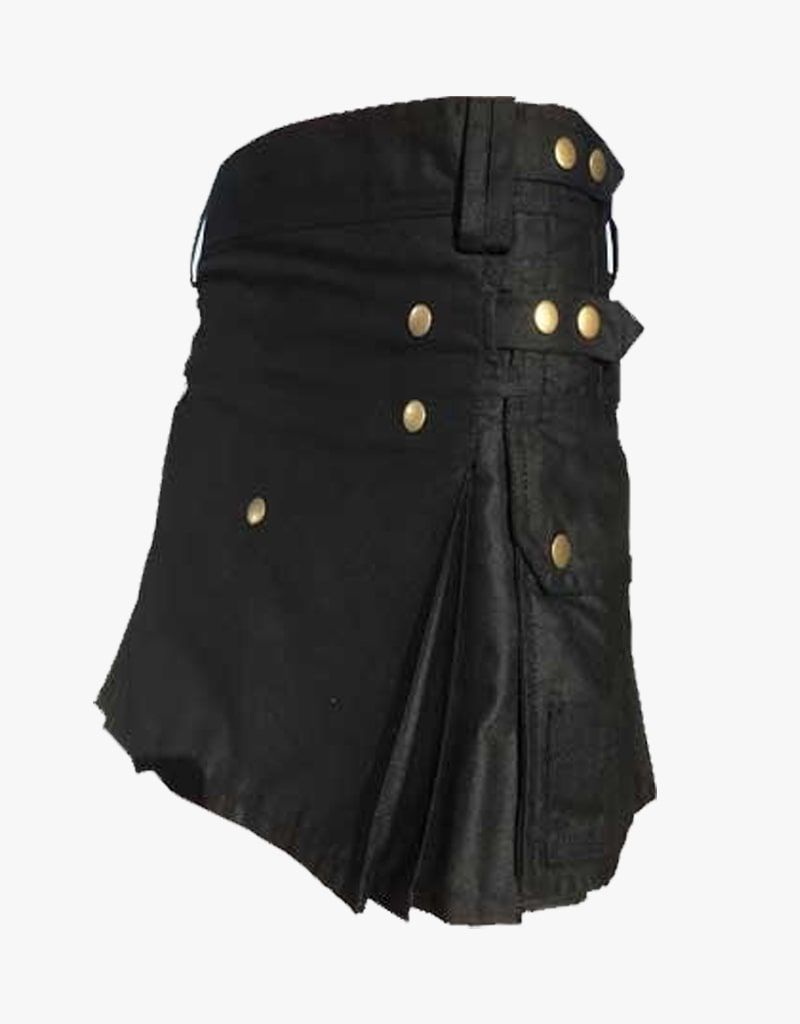
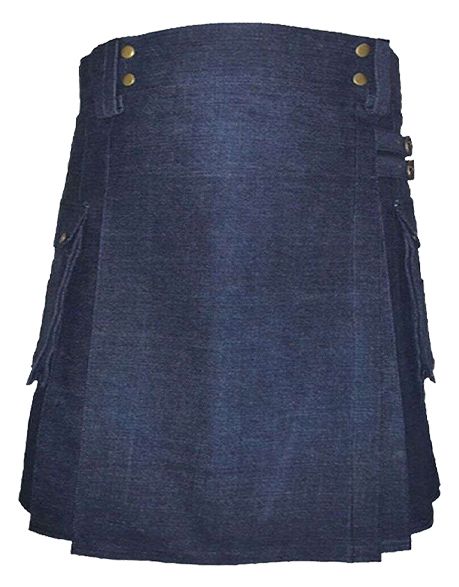
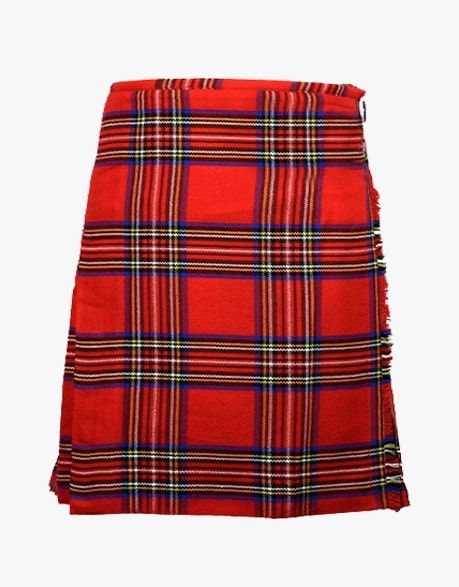
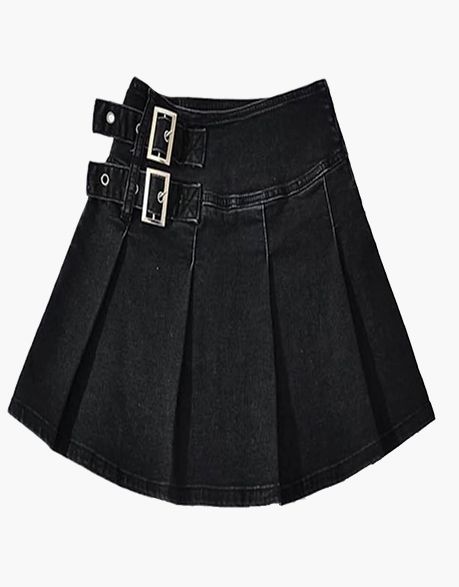
The recently discussed point must have clarified that customized kilts are a better option than buying ready-made ones. If you are ready to get the exact measurement, you can talk to the customer care team of Utility Kilt UK and let them know about your requirements. At our store, we personalize every kilt, so our customers may not suffer from bothersome situations after buying one. Moreover, we sell all types of kilts for women, whether you need a traditional one or a women’s utility kilt. Some of our best-selling products are here: