Choosing the Right Kilt Pin for Your Style and Occasion

A kilt pin is the smallest part of the formal Scottish dress outfit. Everyone agrees with its statement of being the most important embellishment as well. It is a new addition to the attire compared to other accessories, but Scots adopted it as a symbol of rank or wealth. Today, pins exist in many styles. So, how do you know which style is suitable for the current occasion? This discussion is meant to answer this query, covering many other important parts. Let’s begin with understanding its function.
Understanding the Function of a Kilt Pin
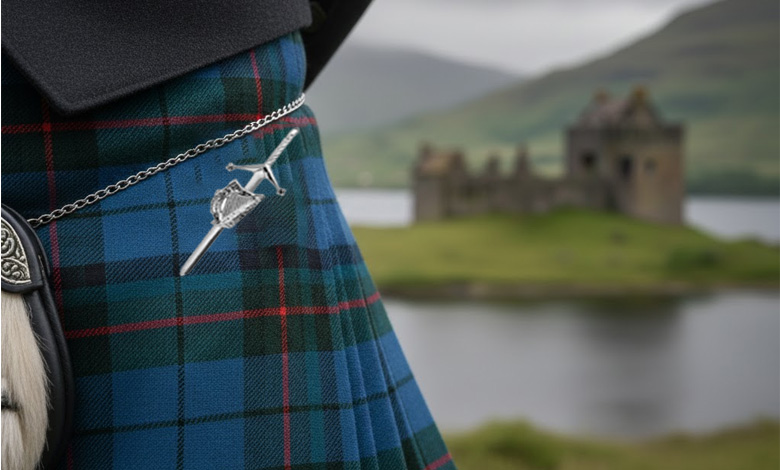
A concept about the function of a kilt pin is to weigh down the kilt’s apron and prevent it from flapping in the gale. This idea takes the minds back to Queen Victoria. Undoubtedly, it was the basic purpose of this pin, but things are different now.
The status of the kilt as a functional item transforms to a cultural identity, thanks to their crests that are engraved with Scottish or clan symbols revealing the bio of the wearers. A few decades back, they were also a way to reveal the wealth status, as rich people used to add precious stones to the crest to showcase themselves. Likewise, the materials used to make a pin were the sign of rank.
Types of Kilt Pins
Regarding the types of kilt pins, understanding the difference between types and styles is crucial, as many consider them the same. Style refers to its design, while type relies on its style and material.
Design Style: While classifying pins with a style perspective, we often see their different designs, such as clan-specific style and military-specific structure. Similarly, some come with modern representations for contemporary occasions.
Material: The material used in making a pin also decides its type. Those made with traditional metal or silver brass are for formal settings. At the same time, those constructed with synthetic materials are modern ones and suitable for casual events.
How to Choose a Kilt Pin for Your Style
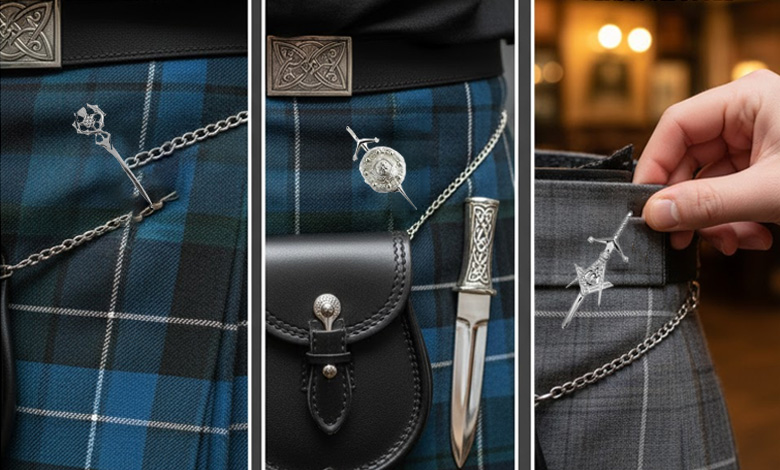
Choosing a standard pin may be the easier process but opting for the right one is a bit challenging. So, when you work on it, a few things must be kept in mind: your style and the theme of the occasion. Let us decide on a pin with your styling sense first.
Matching with Your Kilt Design: Pins are worn with tartan kilts, so understanding the pattern of clothing is important to make a decision. An appropriate one always looks beautiful on the tartan.
Matching with Accessories: When attaching a pin with your kilt outfit, ensure it matches all accessories. Opt for a metal finish design that complements the material used in Sgian-dubh and sporran.
Based on Personal Style: Personal preferences are often limited in formal dressing, but some factors allow you this opportunity. You can choose between a clan crest, Celtic Knotwork, or any symbol of your interest. Remember, these options are valid for the occasions where the dressing code does not matter a lot.
Kilt Pins for Different Occasions
The chapter of selecting the right pin based on your style ends here, while discussion about choosing a pin depending on the event’s theme begins here. Many people ignore this aspect, which affects their personality and equates to disrespecting the overall silhouette. So, making a thoughtful decision is important.
Weddings & Formal Events
Weddings fall on the list of formal events; similarly, other occasions such as black-tie events and evening dinners need special dressing attention. At these events, Scots usually wear their family tartan, so using a clan crest can be the ideal option.
Military or Heritage Ceremonies
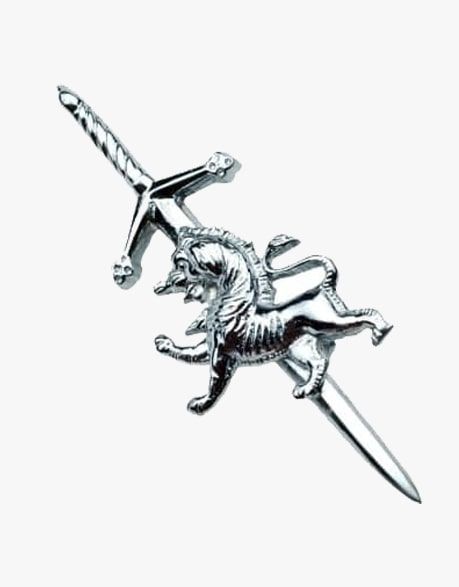
Another occasion where people usually dress up in kilt outfits is military or heritage ceremonies. They have many standard kilt pin options for such settings, but the one that shows respect for military or heritage is ideal. For such events, you can use the crest with Scottish symbols such as the Lion Rampant and sword.
Cultural Festivals or Highland Games
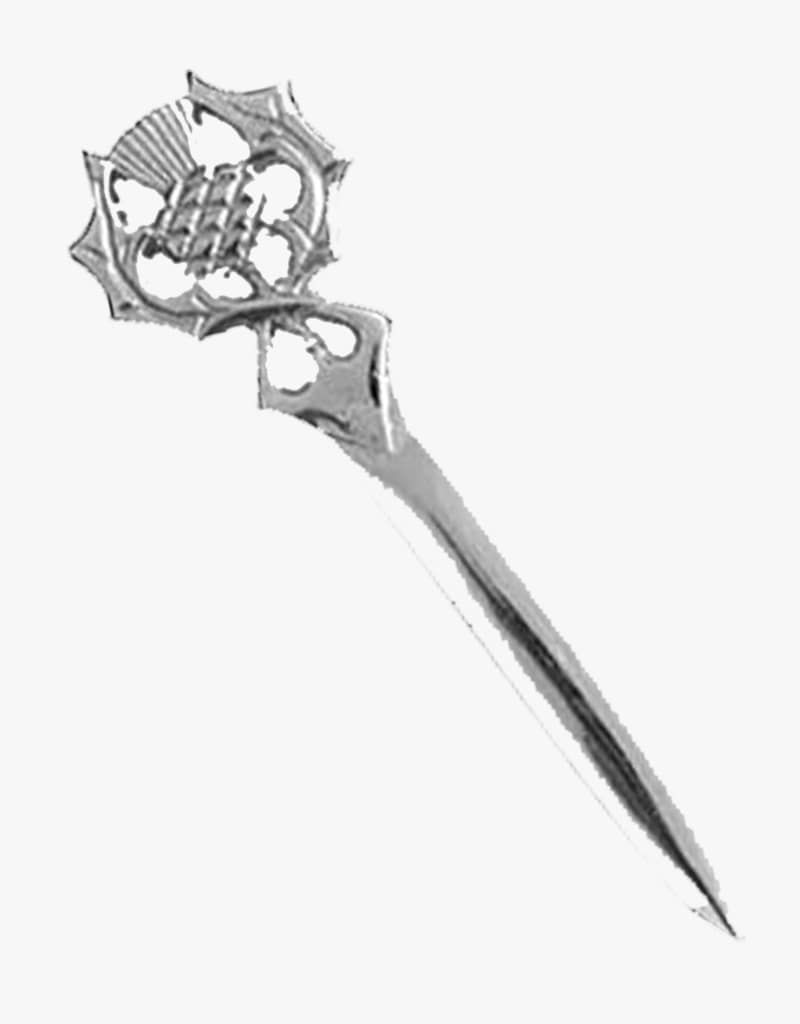
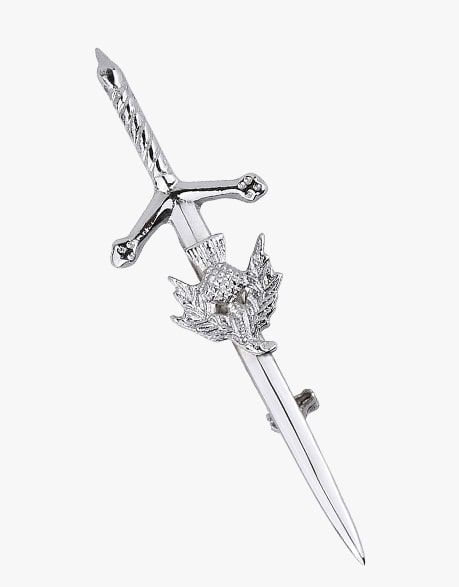
Let’s highlight the suitable kilt pins for various cultural festivals such as Saint Andrew’s Day, Burns Night, and Highland games. These events fall on the semi-formal event’s list, so you can opt for anything from clan crests to Scottish symbols. Therefore, the preferred choices here are those that have emblems like stags, shamrocks, thistles, and Celtic crosses.
Custom Kilt Pins
This is an era of innovation, and people want something new for their traditional dress to add a flair of modernism. For such things, they have customisation options, which let them have what they actually want.
Personalized Clan Crests or Monograms: Those who do not want cultural symbols or want new designs can connect with pin-makers to let them know about desired products. In fact, they can add the monograms of their brands on pins.
Handmade Options: A popular way to admire the culture is to wear the products made with traditional practices. If you also belong to the same category of people, go for handmade options instead of using a mass-produced pin.
Trending Kilt Pin Styles in 2025